Nostalgic Glamour: Vintage and Retro Fashion Jewelry
Updated
A piece that looks vintage and a piece with documented age are different buying propositions. This guide uses “vintage-inspired” or “retro-inspired” for newly made designs that borrow visual ideas from earlier styles. If an item is sold as an older piece, its age and provenance need their own evidence.
Describe the visible reference
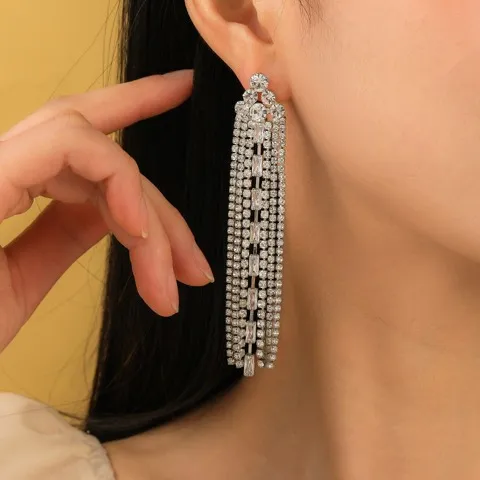
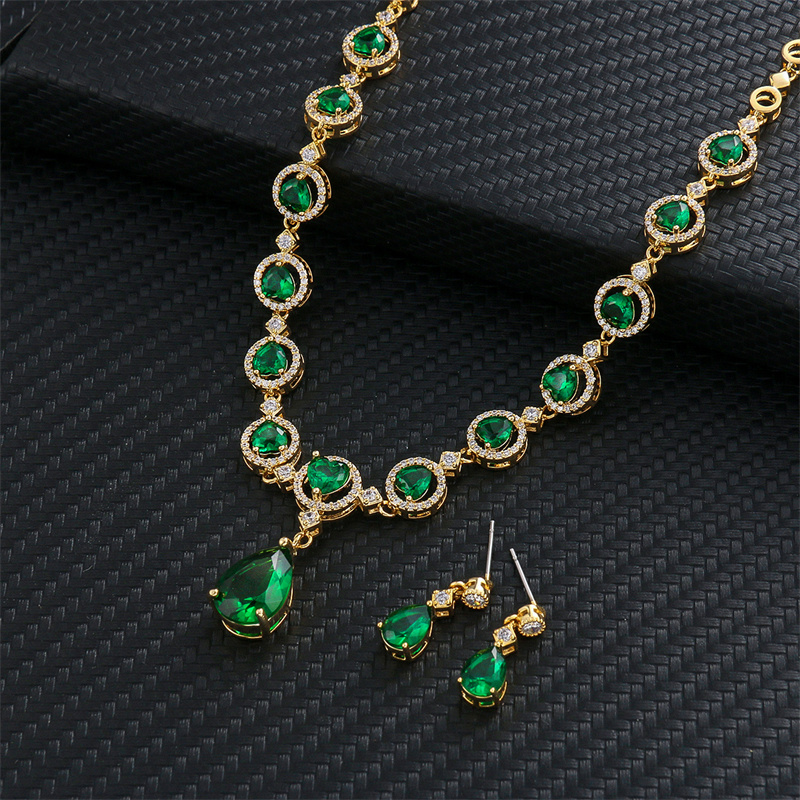
Start with the details you can identify: repeated geometric shapes, a floral arrangement, a long fringe, a colored center with surrounding accents or a symmetrical necklace outline. Those details make a design brief more useful than a vague request for “old glamour.” Avoid assigning a decade or maker merely because an item resembles a photograph.
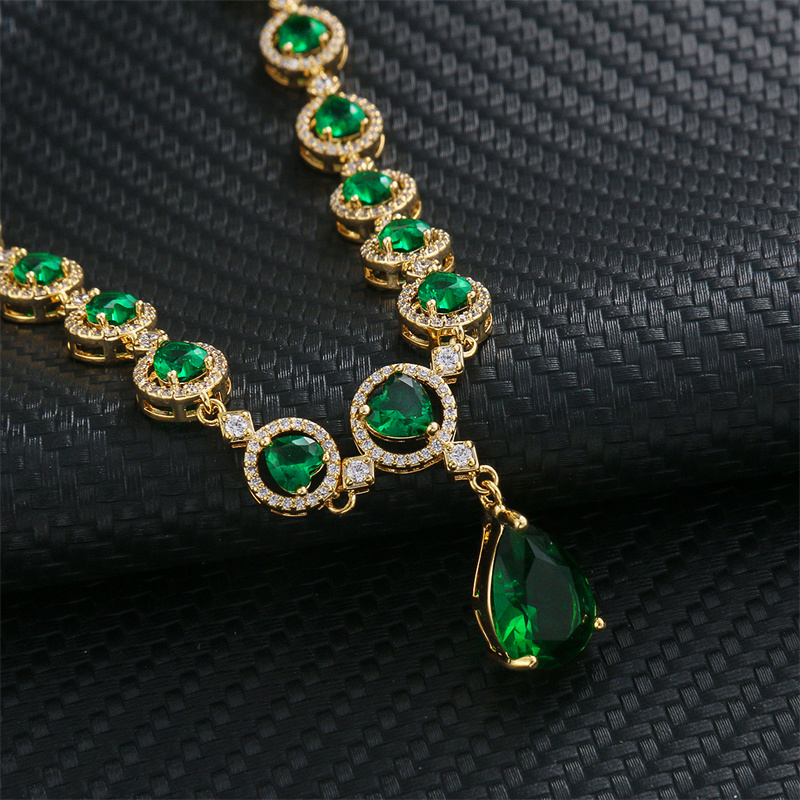
For a documented reference, The Met's Art Deco necklace is dated 1930–39 and described as crystal and metal. Use a museum record to study a design idea; it does not establish the age or materials of a new product.
Choose one motif to carry the edit
A floral necklace can be paired with smaller earrings that repeat the petal outline. A geometric pendant can be shown with a simpler ring that echoes its angles. Compare a restrained version and a more elaborate version of the same theme. Keeping one recognizable cue gives the range coherence without requiring every piece to look like a matched historical set.
Keep new products clearly identified
A new design inspired by an earlier style should be described as new. A vintage look does not establish old stock, antique status or a famous maker. Confirm the actual stone and metal materials independently from the styling language. A colored stone in a retro design should not become a natural emerald, ruby or sapphire simply because that name suits the palette.
Review older pieces differently
For a pre-owned piece, look at condition, markings, missing elements and the available provenance records. Ask a qualified specialist to assess questions of age, authenticity or repair where they matter. Photograph the condition before handling or cleaning. Do not apply a general modern-jewelry cleaning recipe to an older assembly with unknown materials or adhesives.
Present the story without inventing it
A product description can explain the design cue and how the item is styled. It does not need an invented former owner, celebrity connection or historical maker. Likewise, an appealing nostalgic appearance is not a promise of collectible value or future resale price.
Compare rhinestone necklace sets with brooches to explore motif-led options. For assessing condition and different meanings of value, continue to rhinestone types and values.
From insight to sourcing
Explore related collections

Sourcing jewelry for your business?
Share the styles, quantities and destination you are considering. We can review specifications and quote the options for your project.