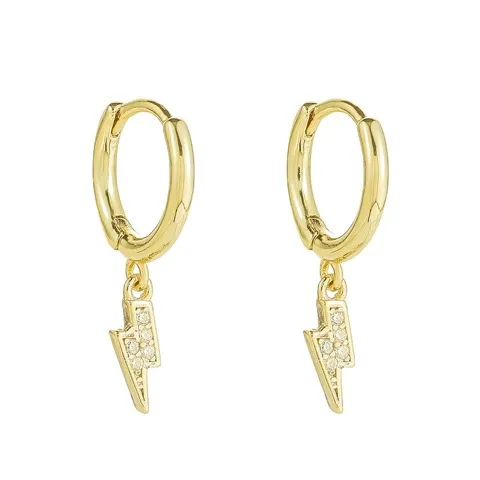
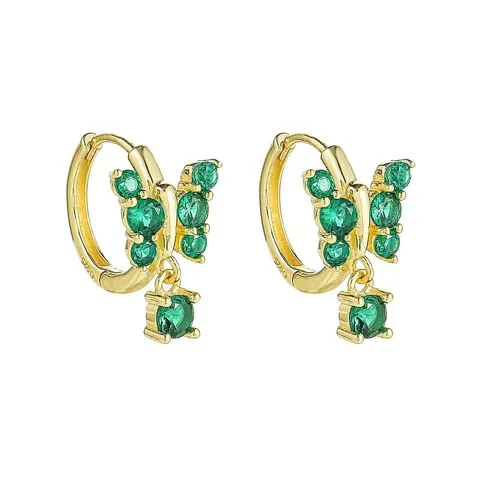
A few simple tricks teach you the perfect rule of jewelry matching
Updated
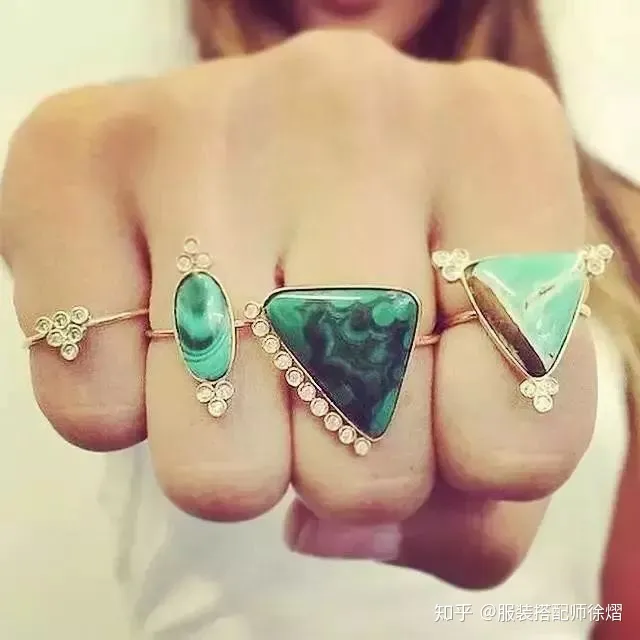
A coordinated jewelry look does not require every piece to be identical. A more useful starting point is to choose a focal point and repeat one visible cue elsewhere: a color, an outline or the density of sparkle. The result can be quiet or expressive depending on the outfit and the wearer.
Choose where the eye should land
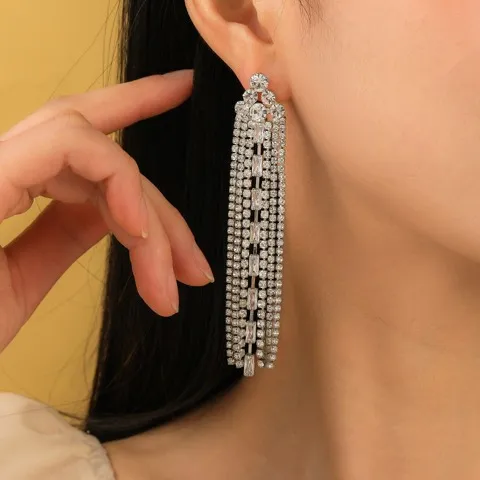
Decide whether the earrings, necklace or wrist accessories will lead the look. With long, detailed earrings, first try a smaller pendant or an open neckline. With a broad necklace, compare compact earrings. These combinations leave space for the main design to be seen; they are suggestions rather than a rule that large pieces can never be worn together.
Repeat one cue, then vary the rest
A clear-stone earring can connect visually with a clear-stone bracelet even when their shapes differ. A heart pendant can be paired with a simpler ring that shares its metal color. Repeating every detail may create a formal set; repeating just one detail leaves more room for an individual look. Compare the pieces together against the actual clothing, rather than matching separate product photographs.
Make metal-color mixing intentional
Gold-tone and silver-tone pieces can be styled together if you like the contrast. One approach is to repeat both colors in more than one place, so a single piece does not look accidental. Another is to let one color dominate and use the other as a small accent. Visual color does not tell you whether a piece is solid precious metal, plated or made from another base material.

Check spacing and contact
Put necklaces on together to see whether their pendants sit separately or collide. Turn the wrist to see whether stacked bracelets overlap neatly or catch one another. Compare rings with the way the hand moves. These checks concern the chosen combination; they do not establish a general comfort or durability claim for the jewelry.
Present combinations clearly
Retailers can photograph one statement item with two different supporting arrangements. Label the pieces included in each offer so styling props do not become an implied set. A customer should be able to understand which part of the look they are buying and recreate it with accessories they already own.
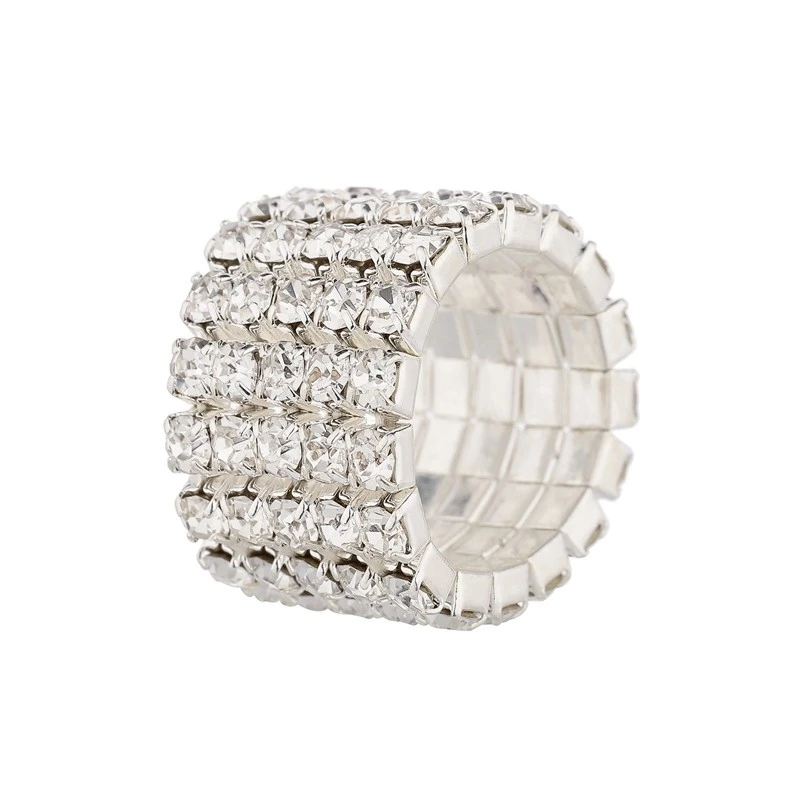
Compare pendant necklaces with rhinestone stretch bracelets. For earrings as the focal point, see the earring proportion guide.
From insight to sourcing
Explore related collections
Sourcing jewelry for your business?
Share the styles, quantities and destination you are considering. We can review specifications and quote the options for your project.