Beyond the Green Label: An Evidence Guide for Jewelry Sourcing
By Paradise Jewelry
Updated
For a jewelry range aimed at younger customers, price and personal style are useful questions to investigate in your own market. They do not prove a shared preference across an entire generation. Environmental sourcing deserves a separate evidence review, especially when a product looks attractive but the supporting material information is incomplete.
Translate “sustainable” into a specific question
The FTC Green Guides summary recommends specific, substantiated environmental descriptions instead of broad, unqualified claims. For a buying team, that means identifying what is actually claimed: a recycled metal content, a packaging change or a defined production practice. Each needs evidence with a clear scope.
For a recycled-content statement, ask which component it covers, how much content is claimed and how it is documented. For packaging, ask about the box, insert and any plastic protection separately. A claim about one component should not become a claim about the whole jewelry set.
Use a product evidence map
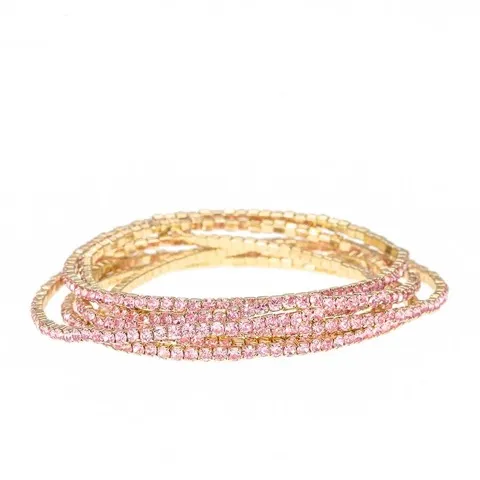
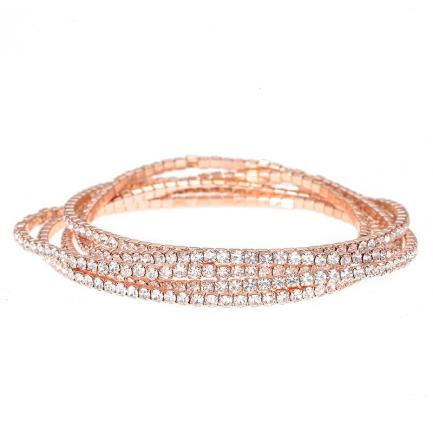
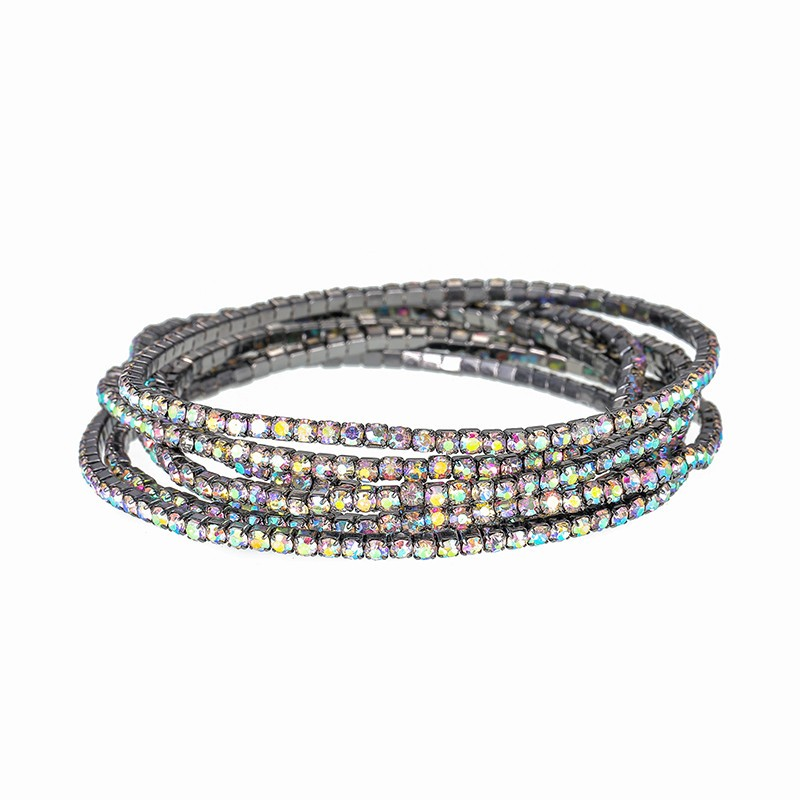
Consider the six-piece rhinestone stretch bracelet listing, LB0276. Its pack format and color options are catalog information. They do not demonstrate recycled content, a smaller environmental footprint or ethical working conditions. Keep those questions open until the relevant evidence is available.
Build a map with four columns: proposed retail wording, component or process covered, evidence received, and what remains unconfirmed. A statement about reduced packaging also needs a defined comparison. A supplier audit, if provided, needs its own date, site and scope; do not treat it as a product-material test.
Review use and presentation without inventing benefits
Ask whether care information, spare components or a repair approach can be supplied for the selected design. Request the package layout and compare protection with your retail needs. These are practical purchase decisions; do not assign carbon savings or waste reductions without a supported calculation.
Test the range concept with your own customer feedback: which colors, retail units and information do people ask for? Record the answers instead of assuming what “Gen Z” wants. The stretch bracelet catalog can provide a design shortlist, while the final sourcing decision should state exactly which environmental claims are supported and which claims will be omitted from your product copy.
From insight to sourcing
Explore related collections

Sourcing jewelry for your business?
Share the styles, quantities and destination you are considering. We can review specifications and quote the options for your project.